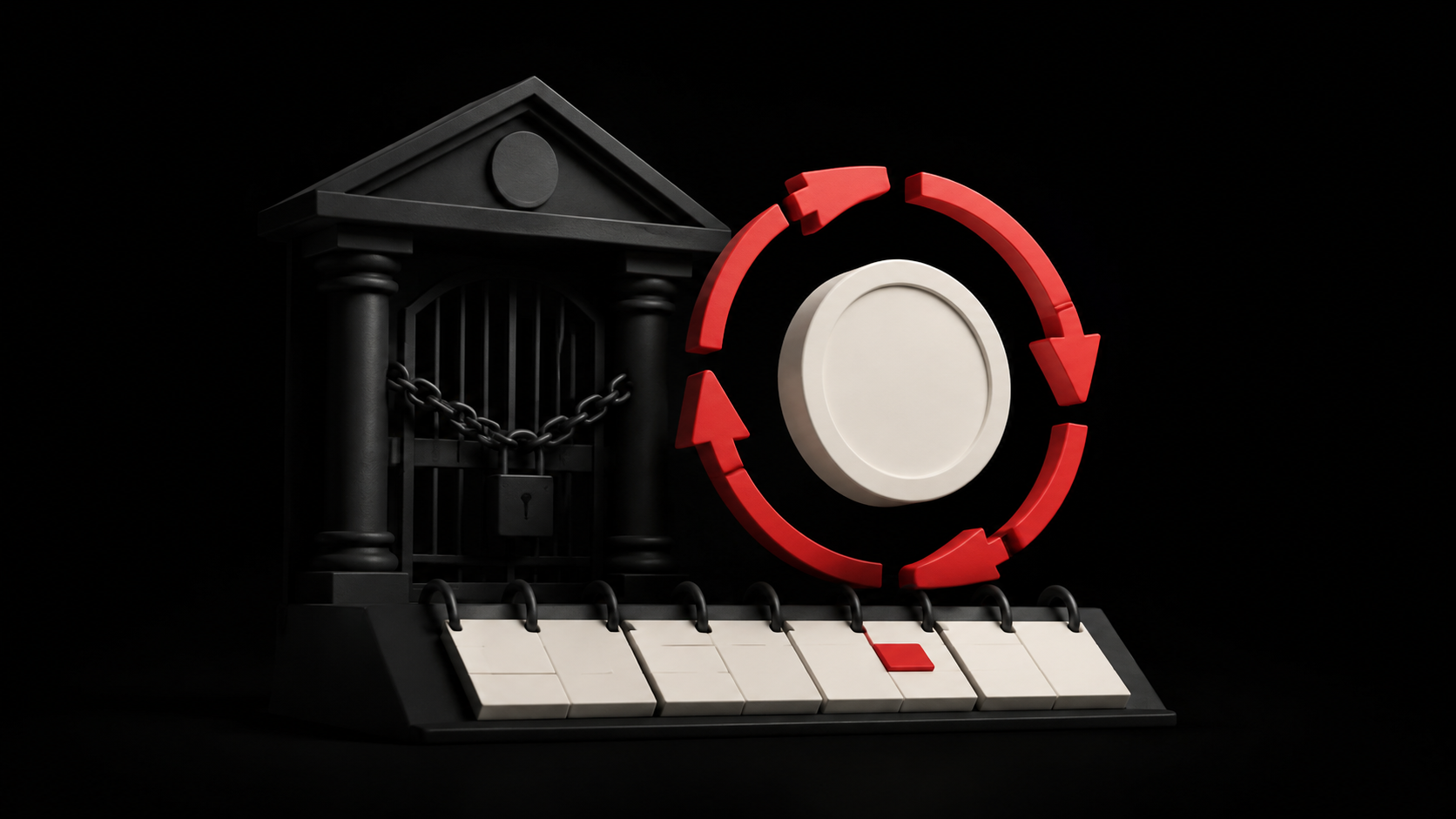

When the venue builds the chain
A trading venue running its own rollup can be permissionless for developers and still be a single company you depend on. Those are separate properties, and it is worth knowing which one you are getting.
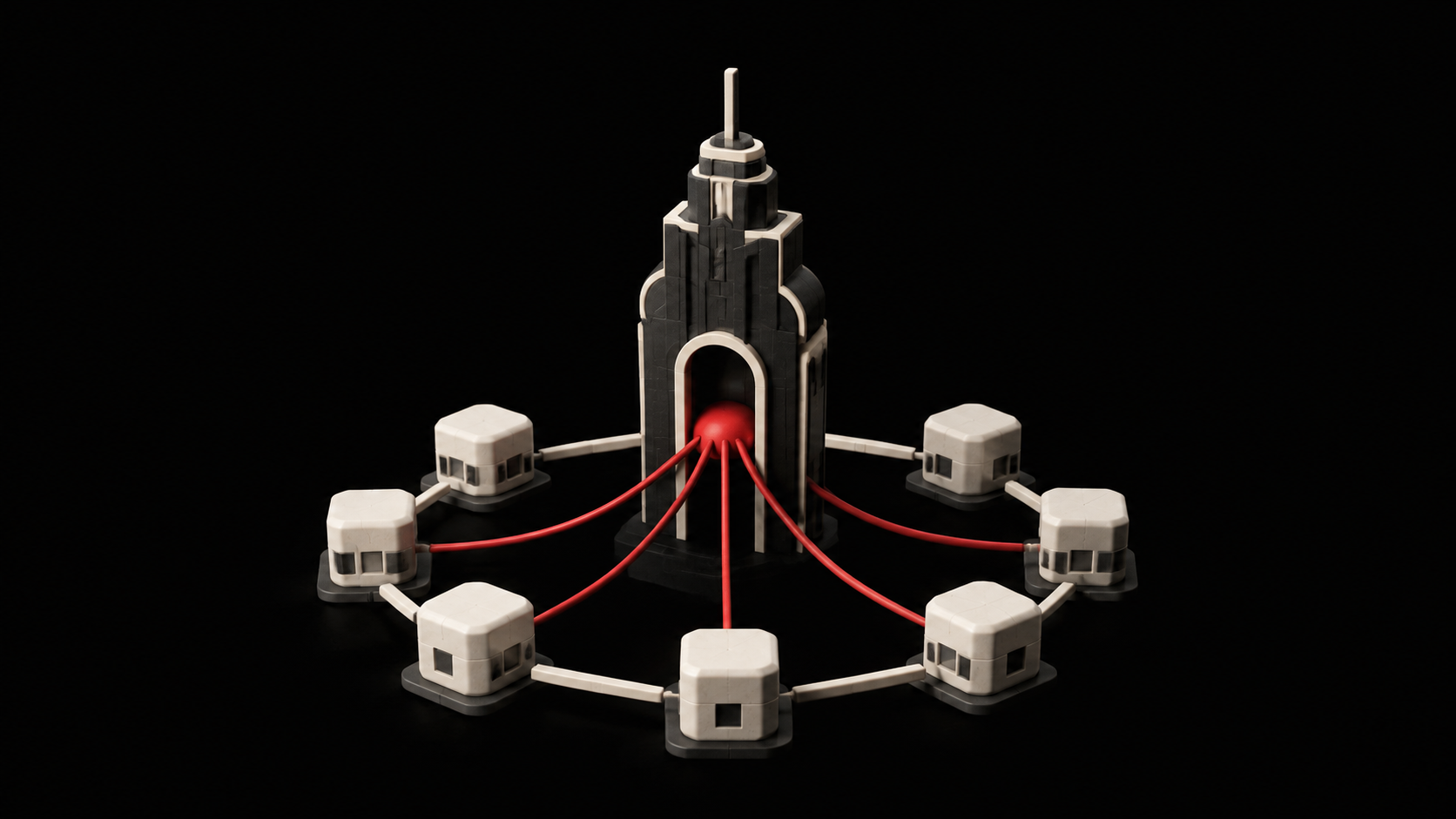
A pattern arrived in 2026 that did not exist before: financial venues launching their own chains. Not a token, not an app — a general-purpose rollup, commissioned and operated by the same company that runs the market on top of it.
The word attached to these launches is invariably permissionless, and it is usually accurate. It also answers a much narrower question than most readers assume.
Two different meanings of open
Open to deploy means anyone can publish a contract without asking. On these chains that is typically true — they are EVM-compatible and deployment is unrestricted.
Open to transact means nobody can prevent your transaction from being included. That is a property of who orders transactions, and on almost every rollup today ordering is done by a single sequencer run by the operator.
The first is about developers. The second is about you. Confusing them is the most common mistake in reading one of these announcements.
What a single sequencer can and cannot do
It can decline to include your transaction, reorder transactions within a block, or stop producing blocks entirely — because it fails, or because a court tells it to.
It cannot take your assets or forge a state that the proof system rejects. That protection is real and it is the reason a rollup is meaningfully different from a company database.
The gap between those two lists is filled by an escape hatch: a mechanism for submitting transactions directly to the settlement layer when the sequencer will not serve you, and for withdrawing without its cooperation. Whether that exists, and whether an ordinary holder could actually use it under pressure, is the question that separates a chain with a single operator from a chain that merely has one today.
Ask three things: is there a forced-inclusion path, how long is its delay, and is the upgrade key behind a timelock or a single signature.
The asset is a separate question
Here is where it gets genuinely subtle, and where the distinction matters most.
Suppose the chain is maximally open — decentralised sequencer, working escape hatch, everything a purist could want. The tokenized share on it is still a regulated instrument whose contract almost certainly lets the issuer freeze balances and block addresses, because that is what the rules require of a security.
So an asset can be perfectly transferable at the protocol level and perfectly freezable at the token level. The chain's openness does not propagate upward into the thing you hold.
An open chain carrying a permissioned asset is an open chain carrying a permissioned asset. It is not an open asset.
This is not an accusation — a compliant equity token has to work this way. It is an argument for reading the two layers separately instead of letting the chain's properties stand in for the asset's.
Why a venue builds one anyway
The commercial logic is straightforward and worth naming, because it also predicts the risks.
The operator captures the sequencing revenue rather than paying it to someone else. It controls the roadmap and the fee schedule. Its assets become composable with everything else deployed there, which is a real product advantage — an instrument that can be posted as collateral is more useful than one that cannot. And an ecosystem growing on its chain is an ecosystem that raises the cost of leaving.
That last one is the part to hold in view. Composability is the feature, and composability with a single operator's infrastructure is also lock-in wearing a friendlier name.
How to read the next announcement
- Who runs the sequencer, and is there a published plan to change that? A roadmap is not a decentralised sequencer, but the absence of one is informative.
- Is there a forced-inclusion path, and what is its delay? This is the difference between an exit and a request.
- Who holds the upgrade key, and behind what delay? Instant upgrade authority held by one key means the rules can change while you sleep.
- What can the asset's own contract do, independent of the chain? Freeze, pause, blacklist, seize.
- Where does the asset settle if the chain stops? There should be a concrete answer that does not begin with "we would".
None of these questions is hostile. A venue that has thought its design through will have crisp answers and will usually have published them, because the answers are the product. A venue that treats them as unfriendly has told you where it is in its thinking.